




Emotional Orphans: Finding Family Beyond the One That Broke You
There is a particular kind of loneliness that comes from growing up in a family that was supposed to be your safe place but wasn't. It is not the ordinary loneliness of being alone in a room—it is the loneliness of being in a room full of people who were supposed to love you and still feeling completely invisible. For daughters of narcissistic mothers, this is often the first and most defining experience of belonging: that it was something other people had, but not you.
Emotional neglect, manipulation, and abandonment within a family don't just hurt in the moment. They shape how you understand yourself in relation to others, whether you believe you are worthy of being included, whether you trust that showing up as yourself will be met with welcome or rejection. You may have spent years searching for belonging in places that couldn't offer it, or closing yourself off from it entirely because the risk felt too great. Either way, the wound at the center is the same: you needed a family that saw you, and you didn't get one.
But the story doesn't have to end there. One of the most profound and life-changing realizations available to survivors of family trauma is this: family is not only biological. The people who become your true family—your chosen family—are often found, not born. And the belonging you were denied in your family of origin is something you can, with intention and courage, begin to build for yourself. This blog will guide you through understanding the emotional void left by family trauma, how to begin creating your chosen family, and why genuine connection is not just a comfort but a core part of healing.
5 Steps to Reclaim Your Life
A practical guide to reclaiming your confidence, setting boundaries, and moving forward—without second-guessing yourself.
The Impact of Emotional Neglect and Abandonment
For many survivors of narcissistic abuse, the damage caused by family neglect or manipulation does not announce itself with obvious labels. It lives instead in the texture of everyday experience—in the difficulty forming close friendships, the anxiety that arises when someone expresses genuine care, the persistent sense that you are somehow fundamentally different from people who seem at ease in the world. The emotional neglect of a narcissistic family does not just leave you without certain memories of warmth. It shapes the lens through which you see yourself and everything around you.
Belonging—the felt sense of being welcomed, valued, and genuinely included—is a fundamental human need. When it is denied in the earliest and most formative relationship of your life, the absence leaves a wound that is difficult to articulate but deeply felt. You may not even have words for what is missing. You simply know that there is a gap where something essential should be, and that gap has influenced every relationship you have formed since.
The Emotional Void of Being "Unseen"
To be unseen by the person who was supposed to know you best is one of the most formative kinds of pain there is. When a narcissistic mother looks at her daughter, she often sees not the child in front of her but a reflection of herself, an extension of her needs, or an inconvenience to be managed. The child's inner world—her feelings, her curiosity, her developing sense of self—goes largely unwitnessed. And children who are not witnessed do not simply grow up feeling unloved. They grow up uncertain that they are real, that they matter, that their inner experience has any significance at all.
This wound of invisibility often drives a painful pattern in adulthood: seeking to be seen in relationships that cannot provide it, or withdrawing entirely to avoid the risk of being overlooked again. Either way, the original longing remains—the deep, quiet wish to be known by someone who genuinely wants to know you. That wish is not weakness. It is the most human thing about you.
Practical steps to begin addressing this void:
Acknowledge the pain of emotional abandonment without minimizing it. Saying "I was not seen, and that mattered" is not self-pity—it is honesty, and honesty is where healing begins.
Reflect on the specific ways this wound shows up in your current relationships: do you over-explain to be understood? Disappear before you can be rejected? Chase connection in people who are emotionally unavailable?
Begin the practice of witnessing yourself—through journaling, mindfulness, or therapy—as the first step toward being able to receive that witnessing from others.

Creating Your Chosen Family
The concept of chosen family has deep roots in communities that have long known what it means to be rejected or unseen by their families of origin—and have built something more nourishing in their place. For survivors of narcissistic abuse, chosen family is not a consolation prize for not having a good biological family. It is a deliberate, powerful act of self-determination: the decision to surround yourself with people whose presence in your life is based not on accident of birth but on genuine care, shared values, and mutual investment in each other's wellbeing.
Building a chosen family does not happen overnight, and it cannot be forced. It grows slowly, through repeated experiences of being shown up for, of showing up for others, of weathering small conflicts and finding the relationship intact on the other side. It requires a willingness to be vulnerable before trust is fully established, to take risks on people who might disappoint you, and to stay open even when old wounds make closing down feel safer. It is, in other words, one of the braver things you can do on your healing journey.
Finding Like-Minded Souls
The people who will become your chosen family are not always found in the obvious places. They may be in a support group for survivors of narcissistic abuse, where shared experience creates an instant and profound recognition. They may be in a creative community, a spiritual practice, a volunteer organization, or a friendship that began as something casual and deepened into something essential. What matters is not where you find them but the quality of what develops: a relationship in which you feel genuinely seen, genuinely safe, and genuinely valued for who you are rather than what you provide.
Learning to recognize these relationships—and to invest in them—can itself require some unlearning. If your template for "family" was built on obligation, performance, and conditional acceptance, the easy warmth of a chosen relationship may at first feel suspicious or too good to be true. Part of the work is allowing yourself to trust what feels good, to let genuine care in, and to stay present in relationships that are nourishing rather than pulling away the moment they become real.
Practical steps to begin processing this emotional toll:
Seek out communities organized around shared experience or values—support groups, hobby communities, spiritual gatherings—where connection is built on something genuine rather than proximity alone.
Invest in relationships where you feel energized and seen, even in small doses. Prioritize depth over breadth: one or two relationships of genuine intimacy are worth more than many surface-level ones.
Gradually release relationships that consistently leave you feeling drained, invisible, or diminished. Protecting your emotional energy is not selfishness—it is the foundation of building something better.
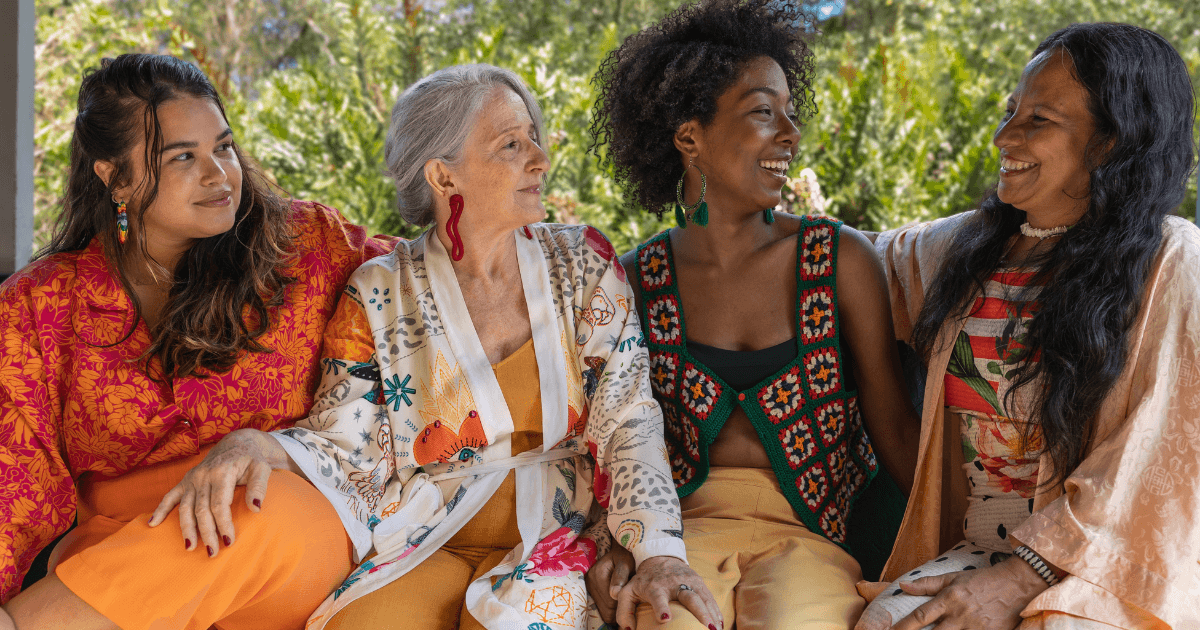
The Power of Belonging and Connection
Research consistently confirms what trauma survivors know intuitively: connection is not optional for healing. It is a biological necessity. Human beings are wired for belonging, and the absence of it—whether from family neglect, social isolation, or chronic self-protection—takes a measurable toll on mental and physical health. The good news embedded in that same research is that the healing power of connection is equally real. Being genuinely seen, heard, and included in a community of care can reach places that individual inner work alone cannot.
For those who grew up emotionally orphaned, the idea of belonging can feel both desperately wanted and quietly terrifying. Wanting it means risking loss. Opening to it means being vulnerable in ways that have historically led to pain. This is why building your chosen family is not simply a social task—it is a healing task, requiring all the same courage, patience, and self-compassion that any other aspect of recovery asks of you.
The Healing Power of Supportive Relationships
What makes a chosen family relationship genuinely healing is not just warmth or likability—it is the consistent experience of being responded to. Of expressing something real and having it met with genuine attention. Of being imperfect and remaining accepted. Of needing something and not being punished for it. These experiences, repeated across time in a trustworthy relationship, gradually update the internal template that was set in your family of origin. They provide living, felt evidence that the old beliefs—that you are too much, not enough, unworthy of care—are not universal truths but specific conclusions formed in a specific environment.
This is why chosen family relationships are not just emotionally satisfying—they are neurologically healing. Every safe, consistent, caring interaction builds new pathways. Every experience of being truly included rewrites, in a small but real way, the story your nervous system has been telling about what belonging means for someone like you.
Practical steps:
Practice vulnerability in small, manageable increments with people who have shown themselves to be trustworthy. Let the experience of being received well accumulate into evidence that connection is safe.
Show up for others in your chosen family with the same care you are learning to receive. Reciprocity deepens trust and gives you the experience of being the kind of person who is worth staying close to.
Let your chosen family witness your healing journey—not as a performance, but as a genuine sharing of where you are. Being known in your struggle, and loved through it, is one of the most powerful healing experiences available.
Key Takeaways
Emotional neglect and abandonment within a family of origin leave a genuine wound—one that affects how you understand belonging and whether you believe it is available to you.
Family is not only biological. Chosen family—built on genuine care, shared values, and mutual investment—can provide the belonging that was absent in your family of origin.
Building chosen family requires vulnerability, patience, and the willingness to risk connection even when your history makes that feel dangerous.
Genuine connection is not just emotionally nourishing—it is neurologically healing, gradually updating the internal template set by early relational wounds.
You are worthy of belonging—not because you have earned it, but because belonging is a human need, and you are human.
Frequently Asked Questions
: A chosen family is a group of people—friends, mentors, community members, or anyone whose presence in your life is characterized by mutual care, deep investment, and genuine acceptance—who function in the emotional role that a healthy biological family would ideally play. The distinction from ordinary friendship lies in depth, commitment, and intentionality. Chosen family members are the people you call in a crisis, who show up without being asked, who know the real version of you and choose to stay. Not all friendships evolve into chosen family, and that's fine. What matters is cultivating at least a few relationships that carry that quality of true, mutual belonging.
You begin very small, and you move at the pace of your own nervous system. Trust is not built through declarations—it is built through repeated, low-stakes experiences of someone doing what they said they would do, responding with care when you share something real, and remaining present when you expected them to leave. Start by identifying one person in your life who has shown even small, consistent signs of reliability and genuine interest. Practice being slightly more honest with them than you normally would be, and notice how they respond. Let trust accumulate through evidence rather than trying to decide upfront whether someone is safe. Therapy can also provide a structured environment for practicing trust before extending it more broadly in your relationships.
No—and the fact that this question arises so naturally for many survivors is itself a reflection of how deeply family loyalty was conditioned, even in families that did not reciprocate it. Creating a chosen family does not require you to formally reject or renounce your biological family. It simply means expanding your understanding of where care, belonging, and genuine love can come from. You can hold complicated feelings about your biological family—grief, love, anger, ambivalence—while simultaneously building relationships that nourish you. One does not cancel out the other. Belonging is not a finite resource that runs out when you let more people in.
This is one of the most common and painful patterns in trauma recovery, and recognizing it is itself a significant step forward. We tend to gravitate toward the familiar, even when the familiar is harmful, because familiarity registers in the nervous system as safety—even when it isn't. If you notice that you are repeatedly drawn to people who are emotionally unavailable, critical, or who make you feel like you have to earn your place, that pattern is worth exploring—ideally with a therapist who specializes in attachment and trauma. The more you understand your own relational patterns and the wounds that drive them, the better equipped you become to recognize and choose differently when genuinely safe people are available to you.
Absolutely, and for many survivors of narcissistic abuse, online communities have been the first place they encountered others who genuinely understood their experience. There is real healing in being seen and believed by people who have lived something similar—and that can happen across a screen. Online connection has genuine value, particularly in the early stages of healing when in-person vulnerability may feel too risky. Over time, most people find that a combination of online community and in-person relationships offers the richest sense of belonging. But do not dismiss the support you find online as less real simply because it is virtual. If it is consistent, caring, and reciprocal, it counts.
This is one of the most tender and difficult parts of healing from family trauma, because the hope that they will one day see you, choose you, and give you what you needed is deeply human. Letting go of that hope is not the same as deciding they are irredeemably bad people or that you no longer care about them. It is the grief-filled recognition that waiting for them to become what you needed is keeping you from building what you actually have access to. Grieving this hope—really sitting with it, rather than bypassing it into forced acceptance—is essential. Many survivors find that grief is the doorway through which they finally become free to invest in the relationships that are actually available to them.
👉 Diane’s upcoming course A Girlfriends' Guide to the Other Side dives deeper into practical boundary-setting strategies and offers exercises to help you strengthen this vital skill.
You Are Allowed to Belong—And You Get to Choose Where
You did not choose the family you were born into, and you did not choose to be unseen or emotionally abandoned by them. But you are not defined by that beginning, and you are not limited to the belonging—or the absence of it—that was handed to you in childhood. As an adult, you have something your younger self did not: the ability to choose. To find, to build, to nurture the connections that reflect not what you were given but what you deserve.
Your chosen family is out there—in communities, in shared experiences, in friendships that have not yet had the chance to deepen into something essential. They are people who will see you, not despite who you are, but because of it. Open the door to them. Let yourself be found. You are worthy of belonging, and the belonging you build for yourself may turn out to be the most meaningful family you have ever known.
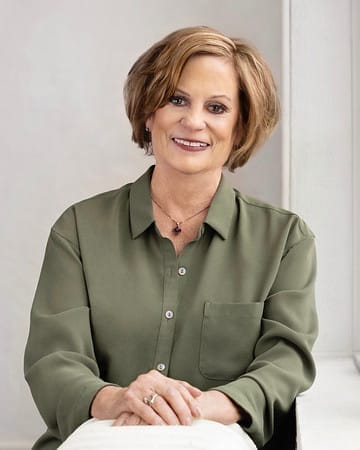
Hi, I’m Diane – and I’m so glad you’re here
Diane is the author of A Girlfriend’s Guide to the Other Side: Reclaim Your Mind, Body, and Soul After Narcissistic Abuse, Divorce, or Relational Trauma.
After surviving the wreckage of a controlling relationship that stripped her identity, she turned her pain into purpose. Through her book, course, and community, Diane now guides women on the journey of rebuilding self-worth, setting healthy boundaries, and reclaiming their lives.
Her mission is simple: to remind every woman that healing is possible, and that your future can be brighter than your past.
Categories
Rise Weekly Newsletter
Because healing isn’t just about surviving, it’s about rising. Rise Weekly delivers empowering insights, gentle reminders, and soulful tools to help you reclaim your strength, set powerful boundaries, and rebuild a life that feels like you. If you're ready to rise above trauma and step into your next chapter with clarity and courage - this is your space.
Created by © Suzanne Startari with systeme.io